
"Ethiopian beans"
8000 article(s) found

Boutique coffee Ethiopian coffee manor Ethiopian coffee producing area
The birthplace of coffee-Ethiopia. The coffee tree originated in Ethiopia, which was originally a wild plant here, and the name coffee comes from the Ethiopian town of Kaffa. In fact, many coffee trees in Ethiopia are still wild plants, and the coffee grown on this coffee tree is full-grained and slightly alcoholic. Humans may have been in the 9th century.

Boutique coffee Ethiopian coffee manor Ethiopian coffee producing area
The birthplace of coffee-Ethiopia. The coffee tree originated in Ethiopia, which was originally a wild plant here, and the name coffee comes from the Ethiopian town of Kaffa. In fact, many coffee trees in Ethiopia are still wild plants, and the coffee grown on this coffee tree is full-grained and slightly alcoholic. Humans may have been in the 9th century.
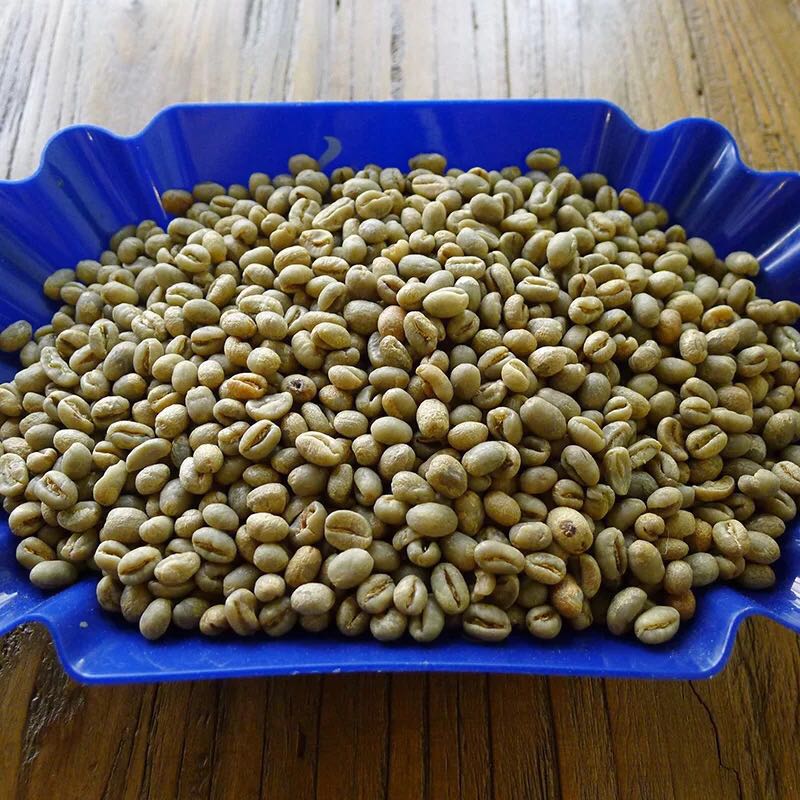
Boutique coffee Ethiopian coffee manor Ethiopian coffee producing area
The birthplace of coffee-Ethiopia. The coffee tree originated in Ethiopia, which was originally a wild plant here, and the name coffee comes from the Ethiopian town of Kaffa. In fact, many coffee trees in Ethiopia are still wild plants, and the coffee grown on this coffee tree is full-grained and slightly alcoholic. Humans may have been in the 9th century.
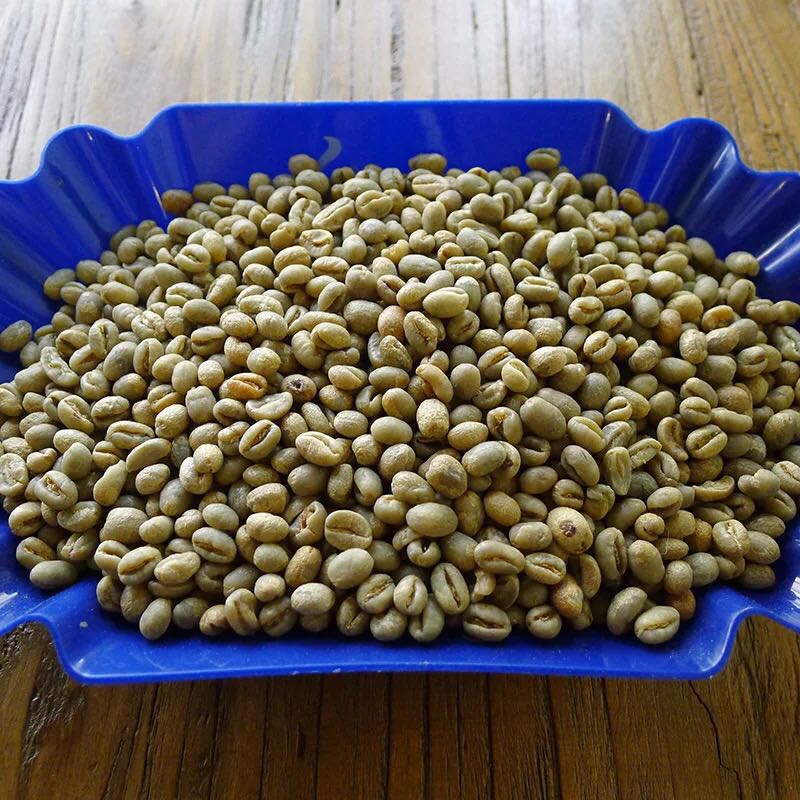
Boutique coffee Ethiopian coffee manor Ethiopian coffee producing area
The birthplace of coffee-Ethiopia. The coffee tree originated in Ethiopia, which was originally a wild plant here, and the name coffee comes from the Ethiopian town of Kaffa. In fact, many coffee trees in Ethiopia are still wild plants, and the coffee grown on this coffee tree is full-grained and slightly alcoholic. Humans may have been in the 9th century.

Boutique coffee Ethiopian coffee manor Ethiopian coffee producing area
The birthplace of coffee-Ethiopia. The coffee tree originated in Ethiopia, which was originally a wild plant here, and the name coffee comes from the Ethiopian town of Kaffa. In fact, many coffee trees in Ethiopia are still wild plants, and the coffee grown on this coffee tree is full-grained and slightly alcoholic. Humans may have been in the 9th century.

Boutique coffee Ethiopian coffee manor Ethiopian coffee producing area
The birthplace of coffee-Ethiopia. The coffee tree originated in Ethiopia, which was originally a wild plant here, and the name coffee comes from the Ethiopian town of Kaffa. In fact, many coffee trees in Ethiopia are still wild plants, and the coffee grown on this coffee tree is full-grained and slightly alcoholic. Humans may have been in the 9th century.

Boutique coffee Ethiopian coffee manor Ethiopian coffee producing area
The birthplace of coffee-Ethiopia. The coffee tree originated in Ethiopia, which was originally a wild plant here, and the name coffee comes from the Ethiopian town of Kaffa. In fact, many coffee trees in Ethiopia are still wild plants, and the coffee grown on this coffee tree is full-grained and slightly alcoholic. Humans may have been in the 9th century.
Boutique coffee Ethiopian coffee manor Ethiopian coffee producing area
The birthplace of coffee-Ethiopia. The coffee tree originated in Ethiopia, which was originally a wild plant here, and the name coffee comes from the Ethiopian town of Kaffa. In fact, many coffee trees in Ethiopia are still wild plants, and the coffee grown on this coffee tree is full-grained and slightly alcoholic. Humans may have been in the 9th century.

Boutique coffee Ethiopian coffee manor Ethiopian coffee producing area
The birthplace of coffee-Ethiopia. The coffee tree originated in Ethiopia, which was originally a wild plant here, and the name coffee comes from the Ethiopian town of Kaffa. In fact, many coffee trees in Ethiopia are still wild plants, and the coffee grown on this coffee tree is full-grained and slightly alcoholic. Humans may have been in the 9th century.

Fine Coffee Ethiopian Coffee introduces the characteristics of Ethiopian Coffee
The birthplace of coffee-Ethiopia. The coffee tree originated in Ethiopia, which was originally a wild plant here, and the name coffee comes from the Ethiopian town of Kaffa. In fact, many coffee trees in Ethiopia are still wild plants, and the coffee grown on this coffee tree is full-grained and slightly alcoholic. Humans may have been in the 9th century.

Trabocca of the Netherlands will hold The Ethiopian Cup Ethiopian Cup Coffee auction
For more information on coffee beans, please follow the promoters of the Red Cherry project in Coffee Workshop (official Wechat account cafe_style). Trabocca, a Dutch raw bean trading company, is preparing to hold an Ethiopian Cup Coffee Competition, a coffee raw bean competition auction plan to select the best quality coffee in this coffee birthplace. This company is headquartered in A

Ethiopian Coffee | characteristics of Ethiopian Coffee
Ethiopian coffee for hundreds of years, Ethiopia has provided the world's most acclaimed single-origin high-quality coffee beans. In general, Ethiopian coffee is famous for its complex taste, spicy wine and unique acidity. Altitude range: 1500-2200 m above sea level language: Amharic harvest season: November-February annual coffee output: 660
Ethiopian boutique coffee beans introduce the characteristics of Ethiopian coffee Ethiopian coffee mouth
Ethiopia is an agricultural country with a history and tradition of coffee origin. The place where the name coffee comes from is Kafa in the southwest, while the Sidamo place in the south is the main producing area, and Yegashafi is one of the southern producing areas of Sidamo. The Eastern Highland Hara is as famous as the coffee name Hara. Ethiopia is an important coffee producer.

Introduction of Ethiopian Coffee beans Grade Analysis of Ethiopian Coffee beans
Ethiopian coffee beans are divided into five levels. The first and second stages are washed beans. Washed beans Grade1 represents 3 defective beans per 300g raw beans, and Grade2 represents 4 defective beans per 300g. Gradc1 grade water washed beans are very rare and are generally difficult to buy. At present, all the washed beans exported from Ethiopia are Grade2 grade. The quality of sun-dried beans is Grade3 and Grad in order.

Ethiopian Coffee Bean Flavor Taste Estate Introduction Ethiopian Coffee Bean Introduction
For coffee fans, don't care how the beans look, the most important thing is to drink. Ethiopian washed beans are much more stable than sun-dried beans, whose flavor fluctuates greatly from year to year, so be sure to cup them several times before buying them in large quantities. Good sun-baked beans have a much deeper flavor than washed beans, but poorly treated sun-baked beans are sure to be speechless, which is what many coffee fans think.

Introduction to the quality characteristics of the description method of taste and flavor of Ethiopian coffee beans with low thickness
When Ethiopian coffee beans tasted Ethiopian coffee for the first time, it smelled mellow with a hint of wine, smacked a sip, and the mellow taste immediately refreshed people. This is a typical mocha coffee with medium acid. In short, Ethiopian coffee has a wild flavor and a rich flavor of red wine fermentation. It's not too much to say it's the best coffee in the world, it's just

Ethiopian coffee beans characteristics, Ethiopian coffee grades
Pay attention to coffee reviews (Weixin Official Accounts vdailycom ) and find a beautiful cafe to open its own shop Ethiopian coffee beans are divided into five levels. The first and second stages are water-washed beans. Grade1 means 0~3 defective beans per 300 g of raw beans;Grade2 means 4~12 defective beans per 300 g. Gradc Grade 1 washed beans are extremely rare and generally difficult to buy.
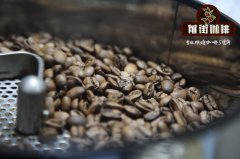
Is Ethiopian Coffee Bean Yega Xuefei? mystery of the Origin of Ethiopian Coffee beans
Professional coffee knowledge exchange more coffee bean information please follow the coffee workshop (Wechat official account cafe_style) the origin of Ethiopian coffee beans: Ethiopia, is the birthplace of coffee: Arabica coffee, growing in the forests of the Kafa region. We believe that Ethiopian coffee has better quality in the world and excellent genetic diversity of coffee shrubs.
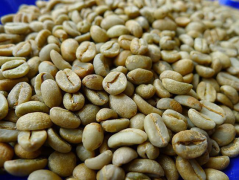
Grade analysis of Ethiopian coffee beans Ethiopian coffee beans are divided into five levels
Ethiopian coffee beans are divided into five levels. The first and second stages are washed beans. Washed beans Grade1 represents 3 defective beans per 300g raw beans, and Grade2 represents 4 defective beans per 300g. Gradc1 grade water washed beans are very rare and are generally difficult to buy. At present, all the washed beans exported from Ethiopia are Grade2 grade. The quality of sun-dried beans is Grade3 and Grade4 in order.

Introduction of Ethiopian Coffee Grade Analysis of Ethiopian Coffee beans
Ethiopian coffee beans are divided into five levels. The first and second stages are washed beans. Washed beans Grade1 represents 3 defective beans per 300g raw beans, and Grade2 represents 4 defective beans per 300g. Gradc1 grade water washed beans are very rare and are generally difficult to buy. At present, all the washed beans exported from Ethiopia are Grade2 grade. The quality of sun-dried beans is Grade3 and Grad in order.